Choosing Campsites With Convenient Restrooms, Parking, and Essential Facilities
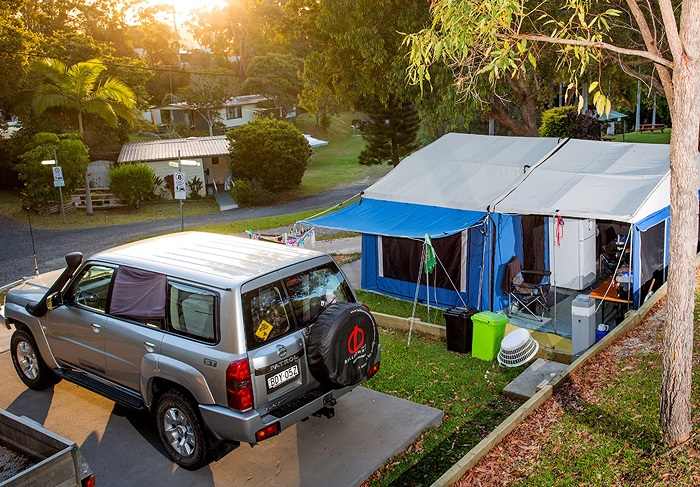
The popular perception of camping often swings between two extremes: the rugged survivalist trekking twenty miles into the backcountry with an ultralight pack, and the luxury glamper lounging in a climate-controlled canvas yurt. For the vast majority of outdoor enthusiasts, reality sits comfortably in the middle. Developed campgrounds—often referred to as frontcountry camping—offer the ideal balance, allowing individuals, couples, and families to immerse themselves in nature without abandoning fundamental human comforts.
A successful camping trip rarely hinges on whether you bought the most expensive tent or master-crafted an open-flame stew. Instead, overall satisfaction is overwhelmingly dictated by campground infrastructure. A scenic mountain vista or pristine lakeside setting loses its charm quickly if you find yourself hauling a sixty-pound cooler across an unpaved boulder field, navigating overflowing sanitation facilities, or searching in vain for safe drinking water in the dark. Selecting a campsite that provides well-maintained restrooms, seamless vehicle parking, and reliable utilities is an essential skill that transforms a potentially grueling ordeal into a restorative retreat.
Decoding Restroom Infrastructure: Flush Toilets Versus Vault Facilities
Not all campground sanitation is engineered to the same standard. When browsing federal, state, or private campground reservation portals, the term “restroom” covers a wide spectrum of physical facilities. Understanding the operational differences between these facilities prevents unpleasant surprises upon arrival.
Modern Plumbed Comfort Stations State and national parks frequently feature centralized comfort stations equipped with municipal-style flush toilets, automated sinks with running water, electric hand dryers, and interior lighting. Many of these facilities also incorporate coin-operated or token-based hot showers. For campers with young children, those new to outdoor recreation, or travelers planning multi-day stays, a plumbed comfort station provides a predictable, clean environment that eases the physical transition from domestic living to outdoor lodging.
Vault and Pit Toilets More remote or primitive campgrounds rely on vault or pit toilets. Modern sweet-smelling technology (SST) vault toilets utilize passive solar chimneys and natural cross-ventilation to draw air down through the toilet riser and exhaust odors up through a rooftop vent pipe. While an engineered vault toilet is hygienic, water-free, and far superior to traditional outhouses, it provides no interior running water for handwashing. Campers booking sites reliant on vault toilets must pack dedicated hand sanitizer, moist wipes, and portable water jugs for personal hygiene.
The Golden Distance Rule Site selection relative to the restroom requires a careful tactical balance. Selecting a campsite directly adjacent to a comfort station might seem convenient, but it carries distinct drawbacks: continuous foot traffic along your site boundary, vehicle headlights illuminating your tent walls throughout the night, slamming spring-loaded doors, and bright exterior security lights that ruin your view of the night sky.
Conversely, reserving a site located two hundred yards uphill can make emergency midnight bathroom trips an exhausting trek through cold temperatures and uneven terrain. The optimal target is the fifty-to-one-hundred-yard buffer: close enough for a quick, three-minute walk in sleepwear, but sufficiently removed to preserve privacy, darkness, and quiet.
Parking Configurations: Matching Your Vehicle to the Site Layout
Campground parking is rarely one-size-fits-all. A campsite that looks spacious on a promotional diagram can present serious operational headaches if the designated parking pad does not accommodate your vehicle type, passenger count, or cargo unloading routine.
Back-In Versus Pull-Through Driveways
Most standard tent-and-car sites feature dead-end, back-in driveways. If you are operating a standard passenger sedan or compact SUV, backing in is straightforward. However, if you are towing a small teardrop trailer, a utility trailer loaded with gear, or driving an extended camper van, navigating a tight, tree-lined back-in driveway in reverse can test your patience, especially after a long day behind the wheel.
Pull-through sites—designed in a semi-circular arc alongside the loop road—eliminate the stress of reversing entirely. While traditionally prioritized for large recreational vehicles, pull-through spots are equally advantageous for road-trippers carrying rooftop cargo boxes or bike racks who need accessible clearance around the entire perimeter of their vehicle.
Drive-In Versus Walk-In Tent Sites
A critical distinction often overlooked during online booking is the difference between a standard drive-in site and a walk-in campsite. A drive-in site allows you to park your vehicle directly adjacent to your picnic table and fire ring, turning your trunk into an accessible gear locker.
Walk-in sites, by contrast, require you to leave your vehicle in a centralized spur lot and carry your equipment over a foot trail to your designated tent clearing. While walk-in sites deliver greater quiet and seclusion from automotive noise, a walk-in distance of even forty or fifty yards requires multiple hauling trips. If you travel with heavy rotomolded coolers, multi-burner cast-iron stoves, and large canvas tents, a walk-in layout turns setup and breakdown into intense physical labor. Verify whether parking is situated on-site before confirming a reservation.
Surface Material and Leveling Requirements
Pay close attention to published site descriptions regarding the parking surface. Paved asphalt or compressed concrete pads provide stable, clean footing that prevents mud from being tracked into vehicles during rainstorms.
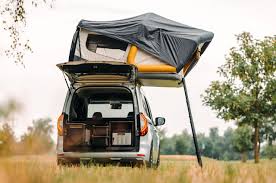
Crushed gravel or packed dirt pads are common, but they often develop deep ruts or settle unevenly under the weight of parked cars. If you sleep inside an overland SUV, camper van, or rooftop tent, parking on an unlevel dirt slope will result in sliding toward one side of your mattress all night. In such cases, packing a set of durable plastic wheel leveling blocks is mandatory to level your vehicle’s sleeping platform safely.
Essential Utility Access: Water, Power, and Waste Management
Beyond bathrooms and driveways, the availability of secondary utilities dictates how smoothly your campsite functions. Evaluating these resources upfront determines what gear you must bring from home and what you can rely on the park to supply.
Potable Water Distribution Campgrounds typically state whether potable drinking water is available on-site. However, there is a substantial difference between having an exclusive, pressurized water spigot at your specific campsite and sharing a communal spigot positioned four sites away. If you are sharing a spigot, bring a dedicated collapsible water carrier or a five-gallon container fitted with a dispensing spigot. This allows you to fill up once upon arrival and maintain a dedicated hydration and handwashing station at your camp kitchen rather than trekking to the communal spigot every time you boil water for coffee.
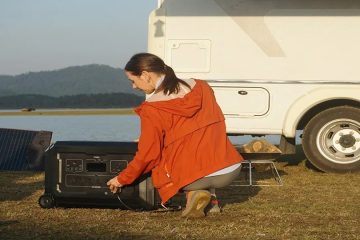
Electrical Pedestals and Outlet Standards Sites designated as “electric” feature a utility pedestal, usually offering a mix of standard 15-to-20-amp household three-prong outlets alongside heavier 30-amp or 50-amp RV receptacles. Even if you are strictly tent camping, reserving an electric site provides immense practical utility:
-
Operating medical equipment such as nightly continuous positive airway pressure (CPAP) machines
-
Charging portable lithium power stations, camera batteries, and smartphones without idling your vehicle engine
-
Running an electric kettle for rapid morning coffee preparation
-
Powering a compact 12-volt portable refrigerator, eliminating the need to buy and drain melted ice
Dishwashing Stations and Graywater Disposal Campground rules strictly prohibit washing greasy cookware or brushing teeth directly at drinking water spigots to prevent contaminating clean supplies and attracting scavenging animals. High-grade campgrounds resolve this friction by providing dedicated scullery stations or outdoor dishwashing sinks fitted with grease traps and hot running water. If a campground lacks these stations, plan to practice the three-basin wash system at your own site and dispose of strained graywater in designated utility sinks or flush toilets.
Wildlife-Resistant Storage and Solid Waste Disposal
Proper food storage and trash disposal are critical to safety in any outdoor environment. In regions populated by black bears, raccoons, or rodents, an improperly secured camp kitchen invites structural damage to your gear and dangerous wildlife habituation.
Inspect whether your prospective campground supplies permanent, on-site bear-proof food lockers (often called bear boxes). These heavy-gauge steel storage bins, typically measuring twelve to fifteen cubic feet, provide a secure space to store your coolers, dry food bins, toiletries, and scented items away from your sleeping quarters. In many state and national parks, storing food inside an unattended vehicle or soft-sided tent is an explicit violation of park regulations that can result in hefty fines.
Similarly, evaluate the layout of the campground’s trash infrastructure. Look for facilities that feature animal-proof dumpsters secured by weighted steel lids or mechanical latch pins distributed evenly throughout the loop. If a campground operates on a strict “Pack It In, Pack It Out” policy, you must budget vehicle space for heavy-duty, odor-sealing trash bags to haul your waste back home without filling your vehicle interior with odors.
How to Read Campground Maps and Satellite Imagery
Campground booking engines provide stylized vector maps, but these illustrations can be deceptive. A site that looks idyllic and isolated on a flat map may actually sit at the bottom of a steep drainage ditch, directly beneath a noisy electrical transformer, or adjacent to the campground garbage depot.
Before booking, copy the exact geographic coordinates of the campground and inspect the property via satellite view on mapping applications. Zoom in to evaluate real-world conditions:
-
Canopy coverage: Does the site offer mature shade trees to shield your tent from blistering midday heat, or is it exposed in an open, unshaded gravel field?
-
Topographical grade: Does the terrain slope downward, meaning rainwater runoff will pool under your tent floor during an unexpected thunderstorm?
-
Windbreaks: Is the site positioned on an exposed bluff where coastal or alpine winds will batter your tent, or is it sheltered by a ridge or dense tree line?
-
Camp host proximity: Choosing a site within sight of the resident camp host often guarantees quieter evening hours, as rowdy groups tend to moderate their volume when situated near park staff.
Selecting the right campsite is fundamentally an exercise in risk reduction and logistical preparation. By taking the time to verify restroom standards, analyze driveway geometries, and confirm access to clean water and waste disposal, you establish a safe, comfortable base camp. With the practical necessities securely handled, you can step away from logistical stress and focus on what truly matters: relaxing by the campfire, exploring the trails, and savoring the natural world.