The Role of Port Infrastructure in Supporting Growing Cruise Ship Tourism
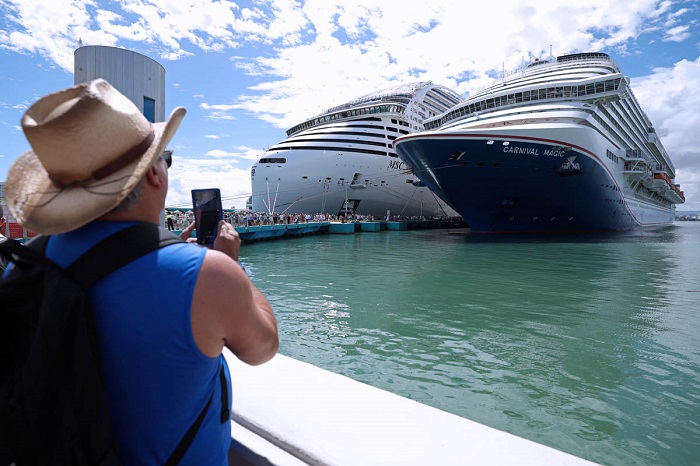
Modern cruise ships bear little resemblance to the transatlantic passenger liners of the past. Today’s vessels are self-contained floating cities, with the largest ships exceeding 220,000 gross tons, rising nearly twenty decks above the waterline, and carrying upwards of seven thousand passengers alongside two thousand crew members. While cruise lines continue to push the boundaries of naval architecture to deliver unprecedented guest experiences, these oceanic giants cannot operate in a vacuum. Their commercial viability depends entirely on the physical and technological capabilities of the ports that receive them.
A successful cruise destination requires far more than scenic shorelines and cultural landmarks; it requires heavy industrial infrastructure engineered to manage immense physical scale, intricate logistics, and massive influxes of people. Port infrastructure serves as the vital gateway connecting maritime navigation to terrestrial transit systems. When maritime facilities fail to evolve alongside the modern cruise fleet, coastal destinations face crippling traffic congestion, environmental friction, and operational failure. Conversely, modern, well-planned port infrastructure transforms a simple docking berth into a catalyst for sustainable, regional economic growth.
Maritime Engineering: Channel Depth, Turning Basins, and Berthing Physics
Accommodating contemporary megaships requires extraordinary civil and maritime engineering beneath the waterline. Modern cruise vessels feature operational drafts that frequently require navigational channels and harbor basins to be dredged to depths of thirty-five to forty feet or more, regardless of tidal fluctuations. Port authorities must maintain regular bathymetric surveys and maintenance dredging schedules to ensure that silt accumulation does not compromise navigational safety.
Beyond channel depth, the horizontal dimensions of a harbor determine whether modern ships can safely maneuver. Vessels measuring over 1,100 feet in length demand expansive turning basins, often spanning twice the length of the ship, to allow captains and harbor pilots to pivot using high-output bow thrusters and azipod propulsion systems.
At the dock, the sheer physical forces exerted by these vessels require specialized structural reinforcement:
-
High-Capacity Mooring Bollards: Because megaships present massive surface areas to the wind—acting as gigantic sails during storms or sudden squalls—piers must feature heavy-duty steel bollards rated for loads of 150 to 200 metric tons or more to prevent mooring lines from parting.
-
Engineered Marine Fendering: Advanced cone and pneumatic rubber fender systems absorb immense kinetic energy during docking maneuvers, protecting both the vessel’s hull and the concrete pier structure from structural fatigue.
-
Continuous Pier Aprons: Quays must be wide and structurally reinforced with deep-driven steel piles to support heavy mobile cranes, emergency vehicles, and continuous supply trucks operating alongside the berthed vessel.
Terminal Architecture and High-Volume Passenger Logistics
The passenger terminal is the nerve center of cruise operations, and its design dictates the quality of the traveler’s initial and final impression. The operational apex of any port is turnaround day, a ten-hour operational window during which a terminal must safely disembark six thousand arriving guests, clear their luggage, process incoming customs declarations, load provisioning supplies, offload waste, and embark six thousand new passengers for the subsequent voyage.
Managing this movement without descending into chaos requires multi-story terminal architecture that strictly segregates inbound and outbound passenger traffic. Arriving travelers move downward through dedicated escalators and baggage reclaim halls, while departing passengers process through upper-level ticketing halls and security checkpoints.
Leading cruise terminals increasingly incorporate automated border technology to accelerate processing times:
-
Biometric Screening and Facial Recognition: Automated border control gates match traveler facial geometry against customs databases in seconds, virtually eliminating the slow, manual inspection queues of traditional border halls.
-
Aviation-Grade Luggage Handling: Modern terminals deploy automated baggage handling systems with radio-frequency identification (RFID) sorting lines, allowing thousands of bags to be scanned, security-cleared, and delivered directly to shipboard staterooms with minimal human intervention.
-
Articulated Passenger Boarding Bridges: High-capacity, climate-controlled gangways adjust telescopically to dramatic tidal shifts and multiple ship door heights, providing ADA-compliant, all-weather boarding directly into the vessel’s central atrium spaces.
Decarbonization and Environmental Port Infrastructure
As coastal cities and regulatory bodies implement stricter emissions caps, the environmental footprint of berthed cruise ships has become a central challenge for port developers. While docked, a large cruise ship requires substantial electrical power to operate its industrial galleys, air circulation, lighting, and hotel systems, historically achieved by running onboard auxiliary diesel engines.
The single most consequential environmental upgrade in modern port design is the implementation of shoreside power infrastructure, often referred to as cold ironing. High-voltage shore connection substations allow vessels to plug directly into the local electrical grid and shut down their auxiliary engines while at berth. This virtually eliminates localized diesel emissions, including sulfur oxides, nitrogen oxides, and fine particulate matter, while dramatically reducing harbor noise pollution for surrounding neighborhoods.
Environmental port management extends into comprehensive waste and fueling logistics:
-
Alternative Fuel Bunkering Facilities: With cruise lines investing billions into liquefied natural gas (LNG), bio-methane, and methanol-capable ships, ports must construct dedicated cryogenic storage tanks or establish maritime safety corridors for ship-to-ship LNG bunkering barges.
-
Direct Blackwater and Graywater Discharge Systems: Advanced quayside vacuum pumping systems connect directly to ship holding tanks, transferring treated wastewater straight into municipal treatment plants rather than relying on pump-out trucks or offshore discharge.
-
Rigorous Solid-Waste Sorting Infrastructure: Terminals must provide expansive processing yards to receive, sort, and compact tons of segregated recyclables, aluminum, glass, and compostable organic waste offloaded during each port call.
Multimodal Ground Transportation and Urban Flow Management
A cruise terminal cannot function as an isolated enclave; it must integrate seamlessly into the surrounding municipal transit network. Discharging five to ten thousand passengers onto city streets within a single morning will paralyze urban transit corridors if ground transportation planning is neglected.
Well-designed cruise hubs incorporate dedicated ground transportation centers (GTCs) isolated from regular street traffic. These facilities feature separated holding lanes for chartered shore-excursion motorcoaches, geofenced zones for rideshare vehicles, staging areas for metered taxis, and direct pedestrian overpasses linking passengers to regional commuter rail or ferry networks.
Furthermore, strategic logistics management directs heavy provisioning freight—such as semi-trucks delivering fresh produce, dry provisions, and hotel linens—through commercial freight corridors equipped with automated weigh stations and customs clearance yards. This prevents heavy commercial vehicle traffic from competing with passenger shuttles or congesting downtown commuter arteries.
Port infrastructure is not merely a concrete landing stage; it is the operational foundation of the cruise tourism economy. As cruise ships continue to expand in scale and sophistication, the destinations that thrive will be those that view port investment through a holistic lens of civil engineering, digital processing, decarbonization, and transit integration. By investing in resilient, modern port infrastructure, maritime cities can handle high passenger volumes smoothly, protect local environments, and secure sustainable economic benefits for decades to come.