How Destination Websites Can Improve Travel Planning for First-Time Visitors
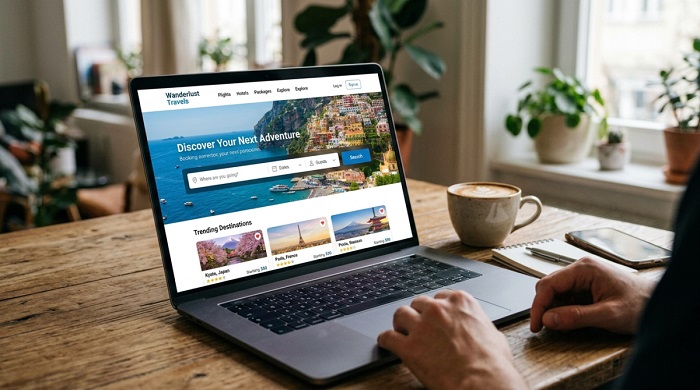
A traveler researching an unfamiliar city or regional destination for the first time experiences a distinct blend of excitement and friction. While visual inspiration is effortless to encounter across social media and digital galleries, translating that initial curiosity into a coherent, realistic itinerary remains a surprisingly difficult undertaking. Destination marketing organization (DMO) websites and regional tourism boards ought to serve as the definitive single source of truth for incoming travelers. Yet, far too many official destination portals still operate like digital coffee-table books—heavy on cinematic drone footage and sweeping marketing slogans, but remarkably light on the practical logistics that turn a trip into a success.
A first-time visitor lacks the basic mental scaffolding of an unfamiliar environment. They do not know whether two renowned cultural landmarks sit within a comfortable walking distance of each other or require an hour-long commuter rail transfer across town. When destination websites focus exclusively on broad promotional branding rather than functional usability, travelers quickly abandon the official portal to seek out crowdsourced discussion boards and third-party travel blogs. To become indispensable tools that drive foot traffic and economic vitality, destination platforms must evolve from passive marketing catalogs into active, intuitive travel-planning engines.
Shifting from Promotional Catalogs to Spatial Orientation
First-time travelers frequently suffer from geographic distortion. Browsing a flat, alphabetized directory of regional attractions with no intuitive sense of proximity often leads people to construct impossible daily schedules that spend half the day lost in transit.
Destination websites can bridge this gap by replacing static business listings with dynamic, neighborhood-centric frameworks. Instead of grouping attractions under generic categories like “Things to Do,” platforms should organize experiences by urban district, cultural corridor, or natural valley.
Each neighborhood guide should clearly articulate its specific character, average walking distances, elevation changes, and proximity to adjacent hubs. Integrating interactive mapping layers that calculate actual commute times—factoring in walking, public transit, and car travel—allows first-time guests to visualize their days realistically, grouping activities into logical geographic clusters rather than zig-zagging across a metropolitan area.
Demystifying Arrival Logistics and Ground Transportation
The most stressful hours of any journey for a newcomer are those immediately following arrival. Navigating an unfamiliar airport, deciphering foreign train ticket kiosks, and avoiding predatory unlicensed transport options can set an anxious tone for an entire trip.
Transit Systems and Regional Payment Methods
Official tourism portals have an obligation to clarify arrival corridors. Instead of offering a generic note that “public transit is readily available,” destination websites should provide step-by-step guides for moving from primary airports or rail terminals to central hotel districts. This includes detailing exact train lines, expected express bus fares, and whether standard credit cards support contactless tap-to-pay entry or if physical smart transit cards must be bought at specific customer service counters.
Walkability Realities and Local Mobility Quirks
Furthermore, digital platforms should outline local mobility realities that maps fail to convey. While a distance may appear modest on a smartphone screen, cobblestone hills, lack of continuous sidewalks, or pedestrian-only zones can dramatically alter accessibility. Providing straightforward advice regarding local rideshare coverage, bicycle-share station availability, and metered taxi etiquette empowers travelers to move through the environment with confidence.
Delivering Transparent Seasonality and Crowd Expectations
Tourism boards are understandably eager to position their region as an idyllic, year-round paradise. However, glossing over seasonal drawbacks does a severe disservice to first-time travelers. A tourist who arrives in late autumn expecting vibrant summer festivals only to find shuttered seasonal ferries and freezing fog will leave disappointed.
Websites build trust by delivering unvarnished seasonal transparency. Rather than relying on simple quarterly temperature averages, portals should highlight microclimates, daylight hour variations, wet versus dry seasons, and local maintenance shutdowns.
Equally vital is managing crowd density and ticketing timelines. If a landmark museum or national park requires timed-entry reservations three months in advance, this reality must be prominently flagged on landing pages rather than buried in fine print. Advising travelers on peak crowd windows, shoulder-season advantages, and alternative off-the-beaten-path cultural assets prevents traveler frustration while naturally dispersing tourism revenue across wider geographic areas.
Structuring Modular, Intent-Driven Itineraries
The traditional “Top 10 Sights” listicle encourages rushed, surface-level tourism that exhausts visitors and crowds single focal points. First-time travelers do not need an exhaustive inventory of fifty monuments; they need curated frameworks that align with their specific time constraints and personal interests.
Destination portals should present modular, customizable day-by-day itineraries. These frameworks should cater to diverse personas:
-
A three-day cultural immersion focused on culinary traditions and architecture
-
A family-oriented weekend with low-friction pedestrian routes and kid-friendly parks
-
An active outdoor itinerary combining morning hikes with afternoon coastal leisure
Crucially, these sample routes must emphasize realistic pacing. A quality itinerary acknowledges the time required for meals, rest stops, and unplanned wandering. By offering realistic schedules that do not attempt to cram four major museums into a single afternoon, destination sites help travelers avoid burnout, fostering a richer connection with the local community.
Protecting Visitors with Official Ticketing and Pass Integration
First-time visitors are the most vulnerable targets for third-party ticket scalping websites, counterfeit transit passes, and overpriced aggregator services. Searching for museum admission or regional rail passes often directs travelers to predatory sponsor links on search engines.
Destination websites must serve as a verified protective barrier. Portals should clearly identify official direct-booking channels, provide transparent baseline ticket prices, and warn visitors about common local consumer traps.
Where applicable, integrating regional multi-attraction tourism passes directly into the website—allowing visitors to bundle transit and venue admissions into a single digital wallet pass—streamlines the transaction process. When visitors know they are paying authentic local prices through secure, validated pipelines, purchase hesitation disappears.
The role of a destination website in modern travel planning goes far beyond aesthetic inspiration. Social media already supplies infinite streams of aspirational imagery; what travelers desperately lack is clarity, context, and structural coherence. By prioritizing spatial orientation, transparent logistics, intentional itinerary modeling, and direct consumer protections, destination websites can transform from superficial marketing brochures into indispensable navigational tools. When a tourism portal equips first-time visitors with the practical knowledge to explore independently and responsibly, it creates smoother journeys, happier guests, and an enduring economic asset for the host community.