Mastering the Art of Wilderness Micro-Adventures: Advanced Camping Strategies
Camping has evolved far beyond the traditional tents and campfire setup. For seasoned outdoor enthusiasts, advanced camping techniques transform simple excursions into immersive wilderness experiences. Whether it’s integrating sustainable practices, embracing high-tech gear, or exploring remote landscapes, these strategies elevate your connection with nature while ensuring safety, comfort, and adventure.
Embracing Micro-Camping for Deep Immersion
Micro-camping focuses on creating rich, compact camping experiences rather than extended trips. The philosophy revolves around quality over quantity—spending shorter periods in nature but maximizing engagement with the environment. Key aspects include:
-
Ultra-lightweight packing: Instead of hauling heavy tents, campers rely on tarp shelters, bivy sacks, or hammock setups, reducing both physical strain and environmental impact.
-
Intentional site selection: Micro-camping emphasizes hidden gems like secluded clearings or off-the-grid riversides, offering solitude and a deeper connection with nature.
-
Focused activities: Each trip is purpose-driven—wildlife observation, stargazing, or photography—enhancing the value of even a single night outdoors.
This approach is perfect for experienced campers who seek intensity over duration, creating memorable wilderness experiences without lengthy commitments.
Integrating Advanced Survival Techniques
Seasoned campers often integrate survival strategies not just for emergencies but to enhance confidence and self-sufficiency. Key techniques include:
-
Natural navigation: Moving beyond GPS, campers use stellar navigation, moss patterns, and topographical reading to navigate complex terrains.
-
Primitive firecraft: While modern stoves are convenient, knowing how to spark a fire using flint, friction, or magnesium blocks provides both a skill upgrade and an emergency fallback.
-
Edible plant foraging: Recognizing wild edibles such as wild onions, mushrooms, or berries adds versatility to the food plan while promoting sustainable interaction with the ecosystem.
Advanced campers often pair these skills with mindfulness practices, transforming survival tactics into immersive, educational experiences.
Multi-Modal Camping: Combining Techniques for Uncharted Terrain
Traditional camping is often location-limited, but multi-modal camping combines various methods to explore hard-to-reach environments. Examples include:
-
Canoe and kayak camping: Transporting lightweight gear via waterways allows access to islands or riverbanks unreachable by road.
-
Bikepacking: Using specially designed bike trailers and panniers enables cyclists to traverse long distances with compact shelter solutions.
-
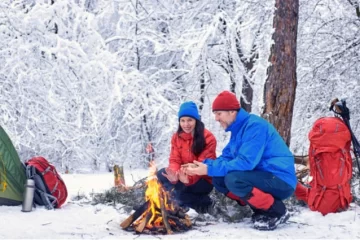
Ski or snowshoe expeditions: Winter camping with specialized snow gear allows campers to explore frozen landscapes, opening up a unique dimension of adventure.
Multi-modal camping requires careful planning and expert knowledge of terrain, weather patterns, and specialized equipment, making it an exciting challenge for seasoned outdoor enthusiasts.
Sustainable Practices for Advanced Campers
Beyond convenience, environmental responsibility is crucial in modern camping. Advanced campers adopt practices that reduce ecological footprints:
-
Leave No Trace philosophy: Beyond simple litter avoidance, this includes minimizing campsite impact, using biodegradable soaps, and selecting pre-existing fire pits.
-
Solar-powered gear: Compact solar panels can charge devices and power small lights, reducing reliance on disposable batteries or fuel.
-
Water management: Techniques like portable filtration, rainwater harvesting, and greywater recycling ensure campers leave minimal impact on freshwater sources.
Sustainability isn’t just ethical; it also enhances the camping experience by fostering deeper engagement with the natural world.
Nighttime Strategies for Wildlife Observation
For experienced campers, nocturnal wildlife observation is a highly rewarding but nuanced activity. Proper techniques ensure safety while maximizing encounters:
-
Stealth camping: Using camouflage shelters, silent movement, and scent management prevents disturbing local fauna.
-
Infrared and low-light optics: High-end binoculars and trail cameras allow observation without artificial light intrusion.
-
Soundscapes: Recording or recognizing natural sounds helps identify nocturnal animals and track their behaviors, enhancing both adventure and scientific understanding.
Camping at night offers a unique perspective on ecosystems often overlooked by day hikers, making it an enriching experience for advanced enthusiasts.
Extreme Weather Camping: Preparation and Adaptation
Experienced campers often seek challenges in extreme weather conditions, from torrential rain to sub-zero temperatures. Preparation is key:
-
Layering systems: Modern technical fabrics wick moisture, provide insulation, and adapt to temperature swings.
-
Windproof and waterproof shelters: Tents and tarps with reinforced anchoring systems prevent failures in high winds or heavy snowfall.
-
Contingency planning: Understanding local microclimates, avalanche risks, and flash flood zones ensures safety without sacrificing adventure.
Mastering extreme weather camping not only improves survival skills but also expands the horizons of accessible wilderness areas.
Advanced Culinary Camping Techniques
For seasoned campers, cooking outdoors becomes an art form. Moving beyond instant meals:
-
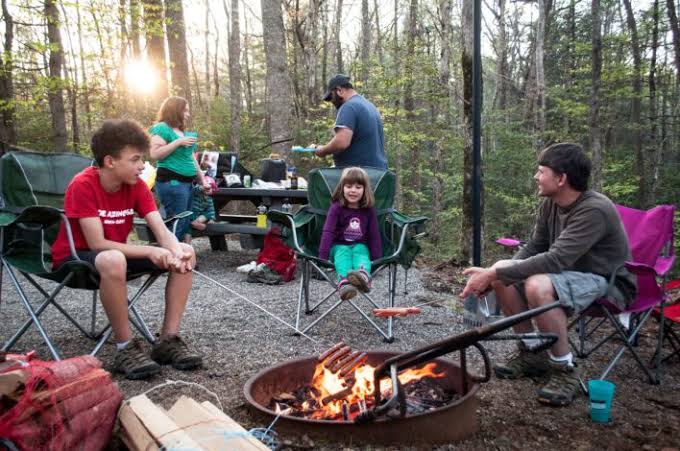
Open-fire gourmet cooking: Using cast iron skillets, Dutch ovens, and controlled ember techniques allows preparation of meals rivaling home kitchens.
-
Foraged ingredients integration: Wild herbs, mushrooms, and edible greens can enhance flavor and nutritional value.
-
Preservation techniques: Smoking, dehydrating, or vacuum-packing food extends shelf life while reducing bulk.
Culinary mastery enhances not only comfort but also creativity in food preparation, turning camping into a fully immersive sensory experience.
Incorporating Mindfulness and Adventure Therapy
Advanced camping also includes psychological benefits, blending adventure with mental wellness:
-
Mindful hiking: Practicing observation without distraction increases awareness and reduces stress.
-
Nature journaling: Recording flora, fauna, or personal reflections deepens engagement and memory retention.
-
Wilderness therapy: Structured exercises in solitude or small groups can improve resilience, problem-solving, and emotional clarity.
Camping at this level is more than recreation; it’s an active form of personal growth and mental restoration.
Technology-Enhanced Camping
Modern camping increasingly integrates technology to enhance safety and immersion without undermining the wilderness experience:
-
Satellite communication devices: Devices like satellite messengers provide reliable contact in remote regions.
-
Drones for scouting: Lightweight drones assist in terrain reconnaissance and wildlife observation.
-
Environmental sensors: Portable weather stations and multi-sensor devices offer real-time updates on temperature, wind, and humidity.
This balance of technology with traditional skills empowers campers to venture further while maintaining safety and ecological mindfulness.
Conclusion
Advanced camping transcends the traditional concept of tent-and-sleeping bag trips. From micro-camping and multi-modal adventures to extreme weather strategies and mindful outdoor practices, experienced campers can transform ordinary excursions into extraordinary wilderness journeys. By combining skill, sustainability, and innovation, these strategies create deeply immersive and transformative experiences that connect adventurers with the raw beauty and complexity of nature.
Frequently Asked Questions (FAQ)
1. What is the difference between micro-camping and traditional camping?
Micro-camping emphasizes short, highly immersive trips with minimal gear, focusing on intense experiences rather than duration.
2. How can I safely forage for wild edible plants?
Only collect plants you can positively identify using multiple guides or local expertise, and avoid areas with pesticides or contamination.
3. Is technology compatible with sustainable camping practices?
Yes, tools like solar panels, environmental sensors, and GPS can enhance safety and reduce ecological impact when used responsibly.
4. What are the risks of camping in extreme weather?
Risks include hypothermia, frostbite, flash floods, wind damage, and avalanches. Proper gear, planning, and contingency strategies are essential.
5. Can advanced camping techniques improve mental health?
Yes, mindfulness practices, solitude, and wilderness therapy exercises can significantly enhance emotional resilience, focus, and stress reduction.
6. How can I integrate culinary skills into outdoor camping?
Use open-fire cooking, Dutch ovens, and foraged ingredients, combined with food preservation methods like dehydrating or smoking.
7. Are multi-modal camping trips suitable for solo adventurers?
Yes, but they require thorough planning, physical readiness, and mastery of survival and navigation skills for safety.