The Psychology of Extreme Adventure: Why Thrill-Seeking Shapes Our Lives

Adventure is more than just an activity; it is a deep psychological journey that reshapes the mind, body, and soul. While many associate adventure with travel or outdoor activities, extreme adventure offers profound insights into human behavior, resilience, and the pursuit of meaning. Unlike typical guides or generic content on adventure sports, this article delves into the psychological and transformative dimensions of high-risk adventure experiences.
Understanding the Thrill-Seeker’s Mind
Thrill-seeking, often misunderstood as reckless behavior, has a nuanced psychological foundation. Neuroscientists and psychologists have identified adventure as a natural stimulant for the human brain, releasing dopamine and adrenaline, creating intense feelings of satisfaction and euphoria.
The Role of Risk in Adventure
Risk is not merely an obstacle but a critical factor that defines the adventure experience:
-
Calculated Risk-Taking: Extreme adventurers often meticulously evaluate risks, weighing potential hazards against rewards. Unlike impulsive actions, their decisions are grounded in skill, experience, and preparation.
-
Embracing Uncertainty: Exposure to unpredictable environments enhances adaptability. Facing uncertainty in controlled extreme conditions strengthens cognitive flexibility and decision-making skills.
-
Fear Management: Adventure provides a safe arena to confront and manage fear, rewiring the brain to approach challenges with confidence and strategic thinking.
Extreme Adventure as a Pathway to Self-Discovery
Beyond the thrill, extreme adventures act as mirrors reflecting our inner psyche. Participants often report transformative experiences that reshape their perception of limits and capabilities.
-
Expanding Mental Boundaries: Pushing physical limits challenges mental boundaries, revealing latent strengths and resilience.
-
Developing Emotional Intelligence: Adventure fosters awareness of emotions, teaching individuals to regulate anxiety, excitement, and stress in high-stakes scenarios.
-
Building Personal Narratives: The memories and stories from extreme adventures often become foundational personal narratives that influence future decisions, career paths, and interpersonal relationships.
Adventure and Its Influence on Creativity
Engaging in extreme experiences is not only physically stimulating but also profoundly enhances creative thinking. Adventure pushes the brain out of familiar patterns, fostering cognitive flexibility.
-
Problem-Solving in Real-Time: Navigating unpredictable terrains or environments requires instant problem-solving, enhancing lateral thinking.
-
Inspiration Through Novel Experiences: Novelty triggers neural pathways that are often dormant in routine life, fueling innovation and originality.
-
Collaboration and Brainstorming: Group adventures, such as high-altitude climbs or expedition kayaking, promote creative solutions through teamwork and collective intelligence.
The Social Dimensions of Extreme Adventure
Adventure is rarely a solitary pursuit. Many extreme adventurers report profound social and communal benefits:
-
Shared Experiences Foster Trust: High-risk activities necessitate mutual reliance, which strengthens bonds and trust between participants.
-
Adventure Communities: Adventure enthusiasts form global networks, exchanging knowledge, strategies, and support that transcend geographical boundaries.
-
Leadership Development: Leading in extreme scenarios cultivates empathy, decision-making under pressure, and effective communication skills.
The Health Benefits of High-Risk Adventure
Beyond psychological advantages, extreme adventures provide tangible physical and neurological benefits.
-
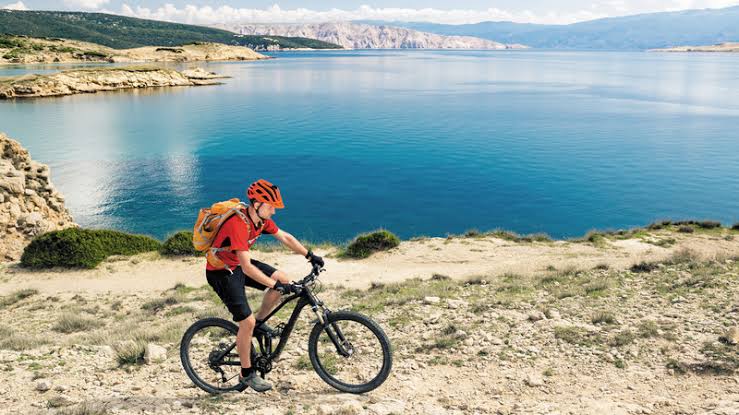
Enhanced Cardiovascular Health: Activities like rock climbing, mountain biking, and white-water rafting improve heart and lung capacity while engaging multiple muscle groups.
-
Neuroplasticity Boost: Exposure to novel challenges stimulates neuroplasticity, improving memory, learning, and overall cognitive function.
-
Stress Reduction: While counterintuitive, the controlled risk of adventure helps regulate cortisol levels, providing long-term stress management benefits.
Technology and Modern Extreme Adventure
Modern technology has transformed the way extreme adventures are approached, documented, and shared.
-
Wearable Devices: GPS, heart rate monitors, and wearable cameras allow adventurers to track performance and ensure safety while pushing boundaries.
-
Virtual Reality Simulation: VR allows for pre-adventure simulations, mental rehearsal, and skill acquisition in extreme conditions without physical risk.
-
Social Media Influence: Sharing extreme adventure experiences inspires others, builds communities, and drives innovations in adventure sports.
Adventure as a Tool for Life Mastery
Engaging with extreme adventure equips individuals with skills applicable to everyday life:
-
Decision-Making Under Pressure: Lessons from high-stakes adventures improve personal and professional decision-making skills.
-
Resilience Building: Overcoming physical and mental challenges fosters perseverance, grit, and adaptability in daily life.
-
Mindfulness and Presence: Extreme experiences demand total presence, teaching mindfulness in environments where distraction could be dangerous.
Choosing the Right Extreme Adventure Path
Selecting an extreme adventure should be based on personal interests, skill levels, and psychological readiness rather than popular trends.
-
Adventure Alignment: Understand your motivations—whether seeking physical challenge, mental growth, or social connection.
-
Skill and Training Requirements: Certain adventures, like deep-sea diving or mountaineering, require rigorous preparation to ensure safety.
-
Sustainability and Environmental Awareness: Ethical adventure involves respecting natural habitats and minimizing ecological impact.
The Transformative Impact on Society
Extreme adventure does not just influence individuals; it can reshape societies:
-
Inspiring Innovation: Many technologies, from climbing gear to survival equipment, emerge from the needs of extreme adventurers.
-
Promoting Environmental Conservation: Adventurers often become environmental advocates, protecting the ecosystems they explore.
-
Challenging Cultural Norms: Adventure challenges societal perceptions of risk, fear, and limitation, inspiring broader cultural shifts towards exploration and courage.
Conclusion: Adventure as a Lifelong Pursuit
Extreme adventure transcends mere leisure; it is a psychological, physical, and social journey that cultivates resilience, creativity, and personal growth. By embracing controlled risk and seeking experiences beyond the ordinary, adventurers unlock a deeper understanding of themselves and the world. It is not the adrenaline alone, but the profound transformation of mind and spirit that makes extreme adventure an essential pursuit for those daring to live fully.
Frequently Asked Questions (FAQs)
1. What psychological traits are common among extreme adventurers?
Extreme adventurers often exhibit high resilience, adaptability, openness to experience, and a strong tolerance for uncertainty and fear.
2. Can extreme adventure improve professional skills?
Yes, high-risk adventure enhances decision-making, leadership, teamwork, and problem-solving abilities that directly translate to workplace performance.
3. How does adventure affect mental health?
Engaging in extreme adventure reduces stress, promotes emotional regulation, increases confidence, and stimulates neuroplasticity, all of which improve overall mental health.
4. Are there long-term cognitive benefits of adventure?
Yes, adventure enhances memory, creative thinking, and the brain’s ability to form new neural connections through exposure to novel and challenging experiences.
5. How do extreme adventures influence social behavior?
They foster trust, empathy, teamwork, and the creation of tight-knit communities through shared challenges and collaborative problem-solving.
6. Is there a link between adventure and personal growth?
Absolutely. Extreme adventure encourages self-reflection, resilience, courage, and a clearer understanding of personal limits, significantly contributing to personal development.
7. What safety considerations should extreme adventurers keep in mind?
Preparation, proper training, risk assessment, reliable equipment, and environmental awareness are essential to ensure safety while engaging in high-risk adventures.